September 25, 2026
Teresa Lara-Meloy, and Ken Rafanan, with Elise Levin-Güracar of UC Berkeley, examine what minoritized youth learn through making in community-based makerspaces and afterschool programs. Their new paper, Life Is Your Block of Clay.” Applying a Typology for Learning in Makerspaces, explores how a framework for identifying learning can help make that often-implicit learning more visible.
September 25, 2026
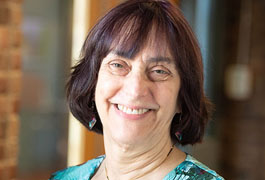
A new article co-authored by TERC’s Andee Rubin explores how a translanguaging lens can reveal the complex ways emergent bilingual students make meaning in mathematics. The research shows how students blend language, gestures, interactions, and technology as they work together to engage in mathematical modeling.
September 25, 2026
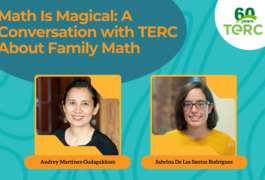
The Center for Family Math interviewed TERC researchers Audrey Martínez-Gudapakkam and Sabrina De Los Santos Rodríguez about their work with families and paraeducators to make math more joyful and accessible. In Math Is Magical: A Conversation with TERC About Family Math, they share what they’ve learned about building families’ confidence in math and helping parents and paraeducators become active partners in children’s math learning.
September 25, 2026
In this article just published in Kaleidoscope by the Knowles Teacher Initiative, TERC’s Annie Sussman draws on the stories of classroom teachers who identified as teacher leaders. Together, their stories offer a different way of thinking about teacher leadership: A title doesn’t define a teacher leader. Instead, leadership emerges through the actions teachers take over time to support collective growth and change.
September 11, 2026
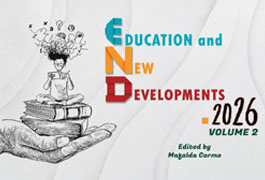
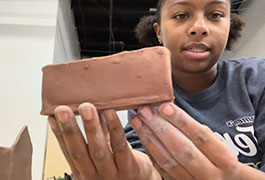
A chapter from the AAMASE project in Education Applications & Developments XI explores how hands-on making experiences can support agency among high-school-aged young women. The chapter highlights how different types of making projects can foster self-efficacy, personalization, connection, planning, and iteration.