
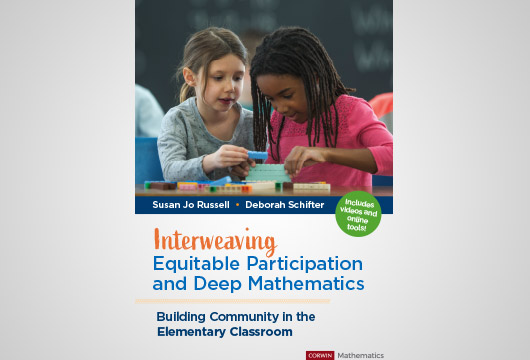
A new book by Susan Jo Russell and Deborah Schifter offers a powerful vision for K–5 math classrooms where all students thrive. Learn how equitable participation and deep math learning go hand in hand.
Score: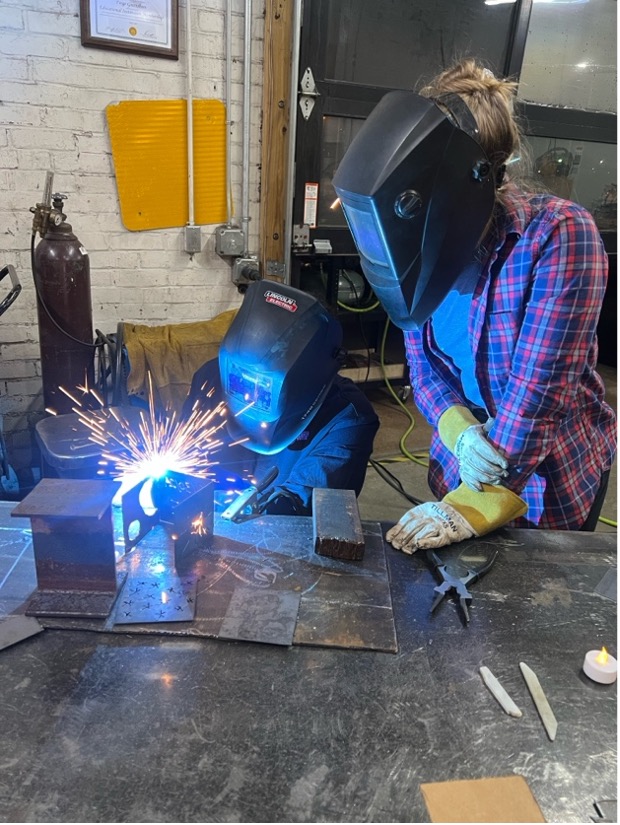
View sessions from Ken Rafanan, Nuria Jaumot-Pascual, Teresa Lara-Meloy, Jennifer Knudsen, and Elise Levin-Güracar that cover their range of Making projects
Score:
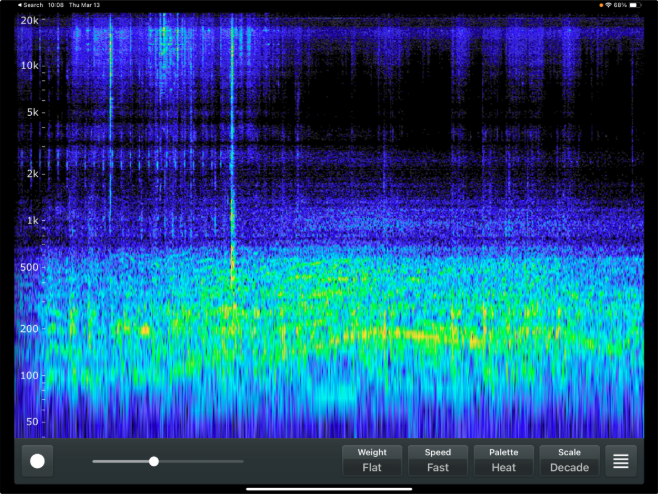
Sound Travels, the project that led ReSounding Success to celebrate NSF’s 75th Anniversary, is hosting a two events to celebrate World Listening Day.
World Listening Day Tune Up, July 10 at 3pm ET
World Listening Day Soundwalk, July 17 at 7:30pm ET
Score:
President
Score:
On June 23, 2025 Jim Hammerman presented his paper titled “Expanding AI Ethics in Higher Education Technical Curricula: A Study on Perceptions and Learning Outcomes of College Students” co-authored with Miss Indu Varshini Jayapal and Dr. Theodora Chaspari, both of the University of Colorado Boulder, during Technical Session 2: Artificial Intelligence in Higher Education.
Score:
Articles include:
• Sound Travels: Seeking to understand how soundscapes in learning settings influence their visitors’ learning
• Introduction: Making and STEM Learning in Formal and Informal Settings
• Discovering STEM, entrepreneurship, and careers through making
• Math and Making for Middle School Youth
Computational thinking (CT) is key in STEM and computer science (CS) education. Recently, there has been a surge in studies inquiring about the factors that predict the CT development of young students. We extend these prior works by inquiring about the factors that predict the CT of students (n = 932) in a constructionist game-based learning (GBL) STEM curriculum.
Score:
ReSounding Success celebrated sound and science in Chicago on May 10, 2025. The event offered Chicago residents ways to explore sound and learn about the National Science Foundation’s role in supporting citizen science and research projects on the design of out-of-school learning.
Score:
Native STEM Portraits: A Longitudinal, Mixed-Methods Study of the Intersectional Experiences of Native Learners and Professionals in STEM (NSP for short) with a National Science Foundation (NSF)-funded project which launched in September 202.
Score: