

Distinguished Professor of Science Education and Professor of Physics at the University of Massachusetts Boston and Director of the Center of Science and Math in Context
Score:
Help Us Understand How Students Engage with Real-World Data » Read more
Score: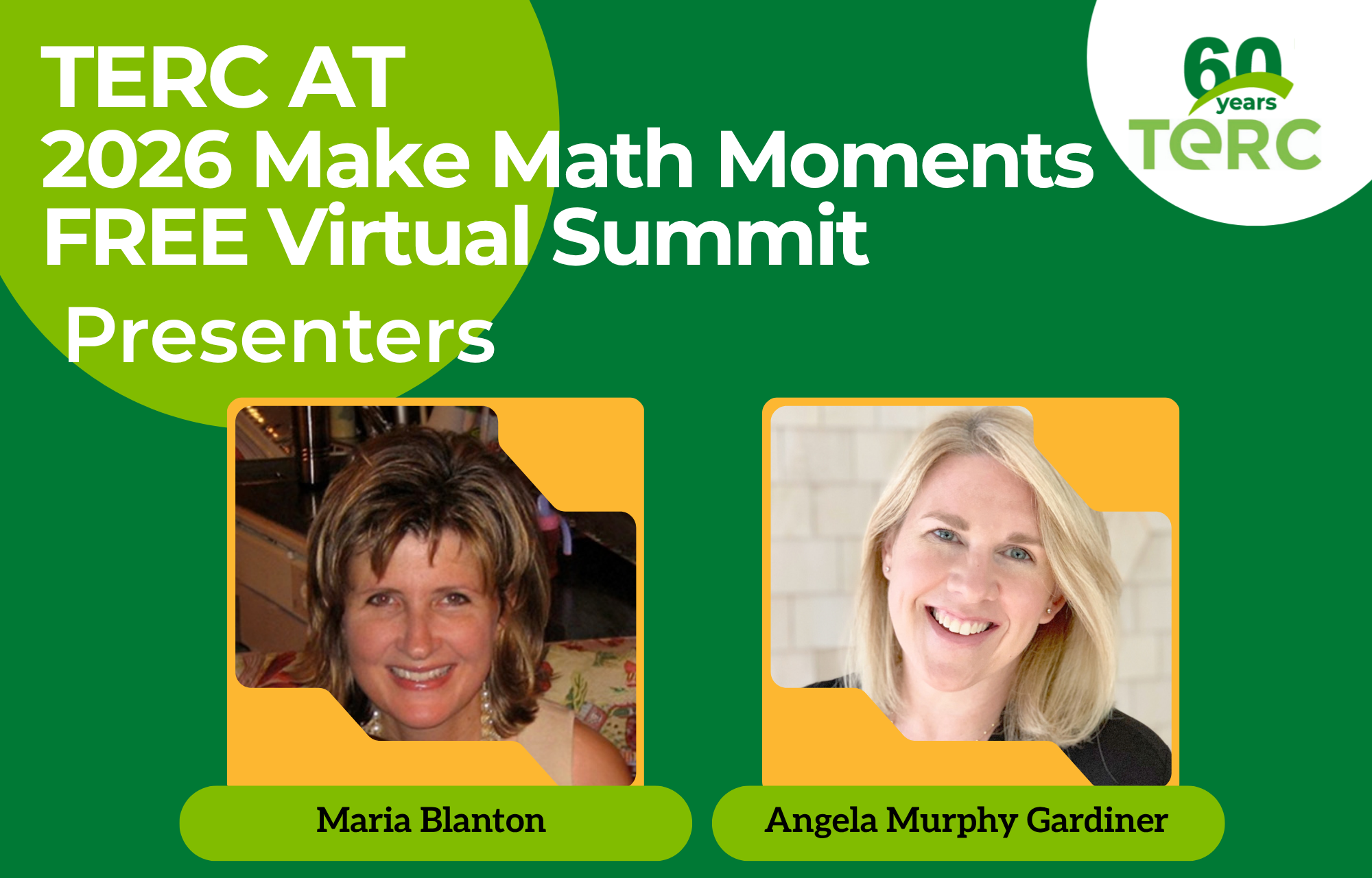
Join TERC’s Maria Blanton & Angela Murphy Gardiner on Nov 14th as they share Project LEAP’s research-based approach — with video of real elementary students doing this work and the evidence of what they learned.
Score: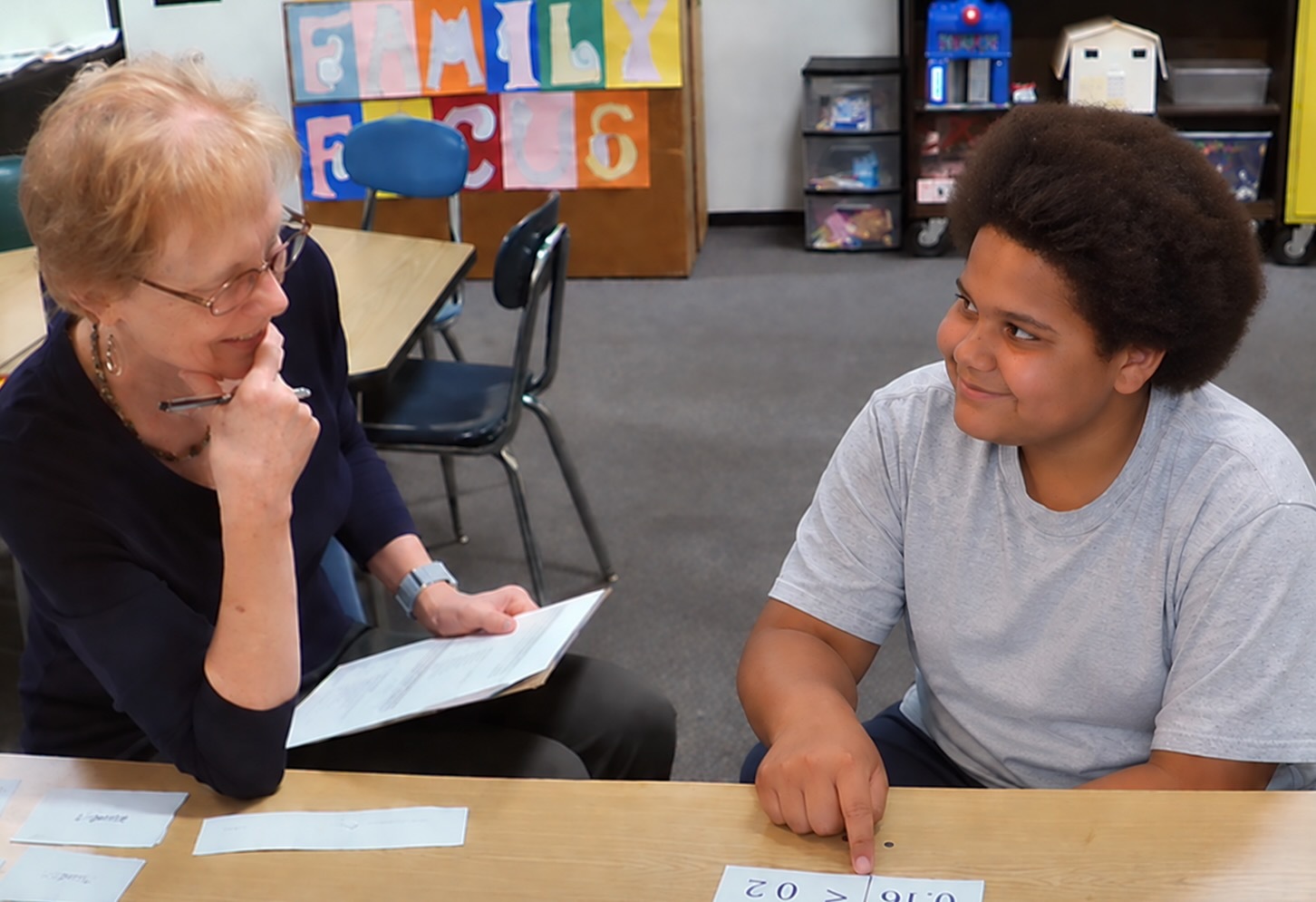
TERC and the Maine Mathematics & Science Alliance (MMSA) are recruiting educators to participate in Learning from Student Thinking, a new project focused on learning from the mathematical thinking of neurodivergent students in grades 3–5.
Score:
This article by TERC researchers Anushree Bopardikar, Jennifer Knudsen, and Christina B. Silva, along with their colleague Harriette S. Stevens, highlights recommendations for professional development (PD) design and research to support mathematics coaches.
Score:
This paper contributes to identifying the often-implicit learning that minoritized youth do in community-based making in makerspaces and afterschool programs.
Score:
A new study co-authored by TERC’s Andee Rubin explores how a translanguaging lens can reveal the complex ways emergent bilingual students make meaning in mathematics. The research shows how students blend language, gestures, interactions, and technology as they work together to engage in mathematical modeling.
Score: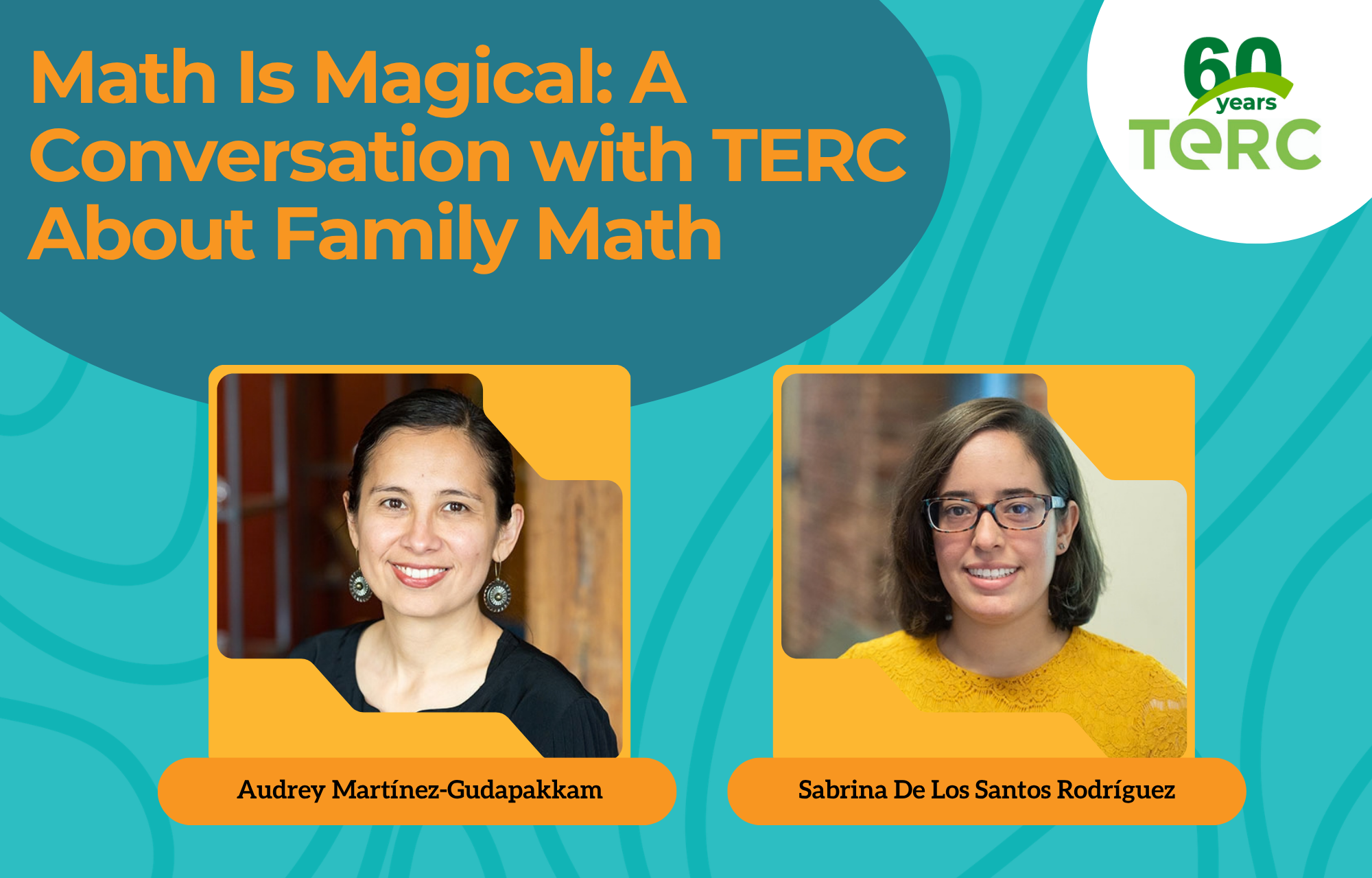
The Center for Family Math interviewed TERC researchers Audrey Martínez-Gudapakkam and Sabrina De Los Santos Rodríguez about their work with families and paraeducators to make math more joyful and accessible. In Math Is Magical: A Conversation with TERC About Family Math, they share what they’ve learned about building families’ confidence in math and helping parents and paraeducators become active partners in children’s math learning.
Score:
AMR Pilot partners with grades 3-5 educators to better understand how neurodivergent students develop and communicate mathematical reasoning in order to build a public dataset to advance research and improve support for every learner.
Score:
What does it mean to be a teacher leader? In a new article published in Kaleidoscope: Educator Voices and Perspectives, TERC’s Annie Sussman explores how teachers can lead and influence change while remaining rooted in classroom practice.
Score: