
Our projects and research shape the STEM education field by introducing innovative curricula and improving student access to STEM.
We support more than 60 active projects every year, and our high-quality, innovative research is based on the understanding that for STEM, real-world application matters. We inspire, motivate, and create life-long learners by helping students connect what they are taught in the classroom to the world around them.
These projects and our research are designed to encompass a wide range of subjects and disciplines within STEM education and teaching methods to expand accessibility for all eager minds.
Can’t find what you need? Explore our archive of past projects.
The Adult Numeracy Center at TERC helps adults and young adults understand how math is present and relevant in everyday life, and how they can use this knowledge to improve their lives and communities.
Are you looking for professional development (PD) opportunities to foster conceptual understanding, improve reasoning and justification skills, and share experiences with peers?
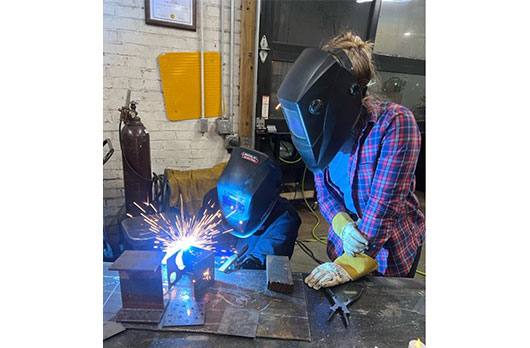
Together with Greensboro NC community partners, researchers from TERC and makers from the Forge, a Greensboro-based makerspace, develop ways for makerspaces to offer more opportunities to young women.

Latinx youth engage in design and making to address community needs as they develop positive identities as mathematics learners, doers and users.

The Building Coherence project aims to support development of pre-service elementary teachers’ knowledge, skills, and dispositions for enacting ambitious and equitable STEM instruction, by fostering greater coherence among STEM content and pedagogical teacher preparation opportunities.
The Center for Equitable Family STEM Learning at TERC explores the intersection of equity, STEM education, and family learning. Our definitions of each of these anchoring concepts continue to evolve through our collaborations with families and community partners.and communities.

A design-based research project studying how best to integrate data practices into high school science, particularly biology.

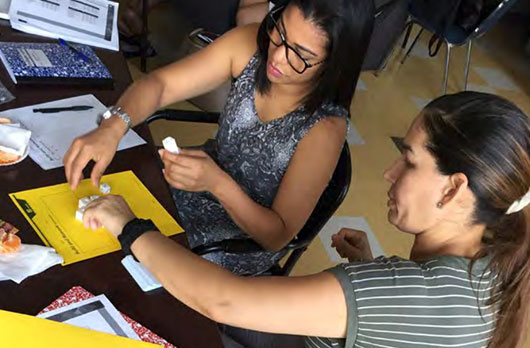
Doing the Math with Paraeducators is developing, implementing, refining, and researching a mathematics professional development program for paraeducators, K-3.
EdGE is a team of educators, designers, and researchers who design and study digital games and environments to learn how to engage ALL learners in STEM, especially those who are “falling through the cracks”.