
Volume 3, Issue 6 | July/August 2026
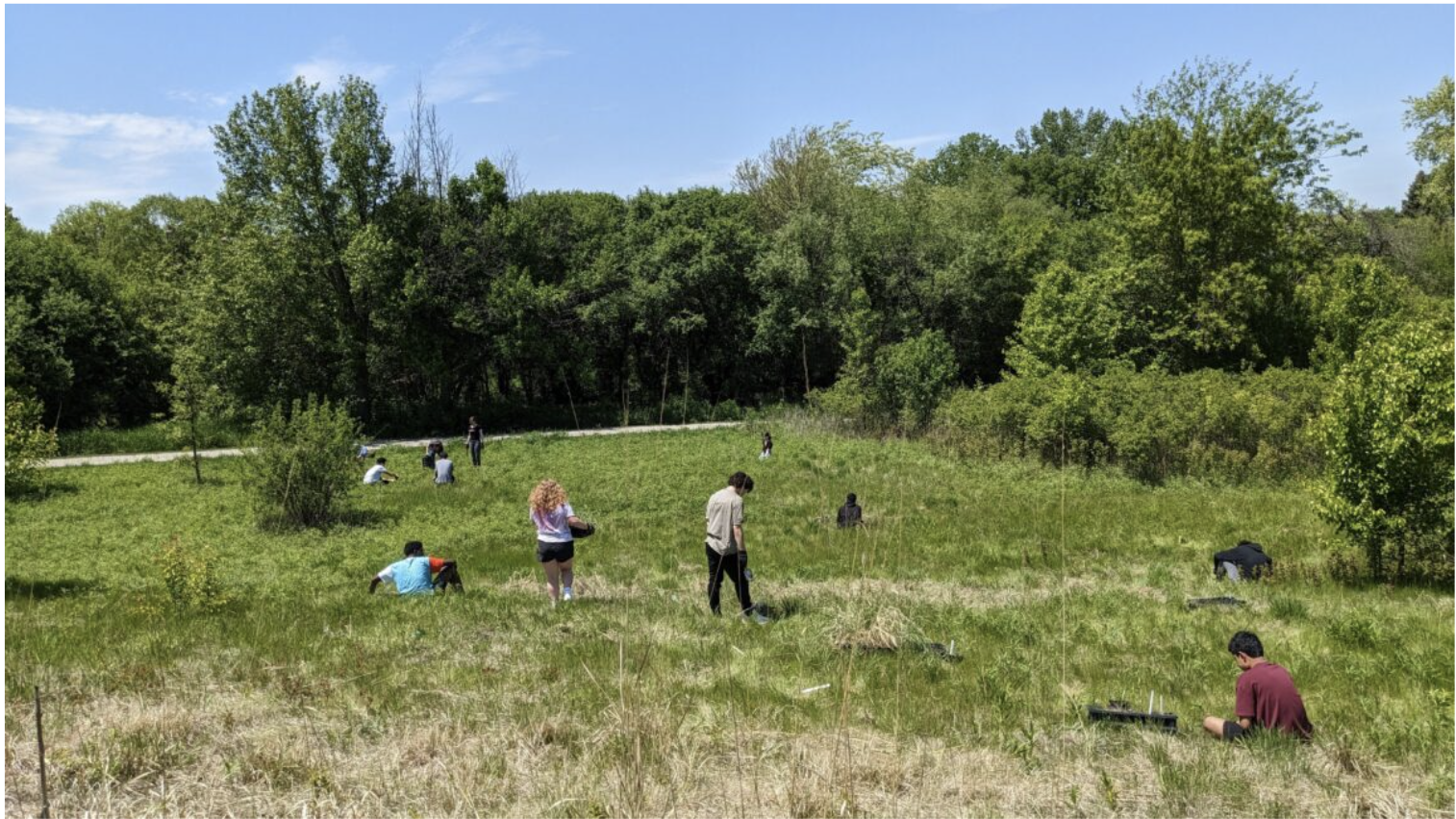
Greetings from TERC! For some of you, the school year has already begun, and for others it’s still approaching. The Climate and Equity project has concluded another Institute, adding 18 new MacArthur Climate and Equity Fellows to our community. We published their names in the last newsletter, and they are now added to our Google Group. Call-back meetings in September will allow you all to get to know each other — stay tuned to scheduling news on the Google Group.
Newsletter: We will resume monthly newsletters starting in September. Send announcements, brags, pictures, resource or book reviews, and other material of interest to your colleagues by September 15th.
News from Climate and Equity Fellows
From Sequoyah Wharton (2025)
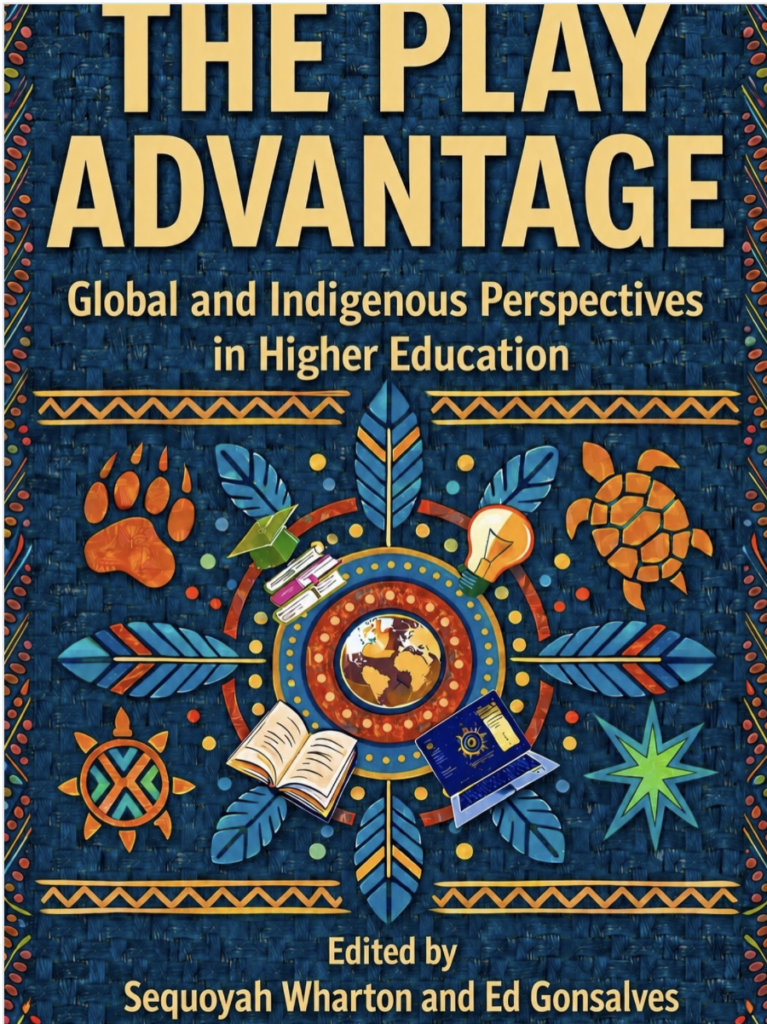
One exciting update from my end is that the book I have been co-editing with Ed Gonsalves, The Play Advantage: Global and Indigenous Perspectives in Higher Education, is now available for preorder through Routledge. It has been a rewarding project that brings together contributors from around the world to explore the role of play in higher education through global and Indigenous perspectives.
You can find it here:
https://www.routledge.com/The-Play-Advantage-Global-and-Indigenous-Perspectives-in-Higher-Education/Wharton-Gonsalves/p/book/9781041137665
From Erika Riddington (2024)
I am sharing some things I did this summer that might interest others. Both of these summer educational experiences were free to register and were very much aligned with climate equity.
1) First Light Traditional Ecological Knowledge: A Workshop for Teachers was presented earlier this summer in partnership with Waquoit Bay National Estuarine Research Reserve.The Mashpee Wampanoag traditional educators were tremendously welcoming and generous in sharing their knowledge. Like our experience in Maine, it was a good combination of classroom, hand on and site specific activities including:
- Reading The Big Concepts: To Speak for the Trees and Braiding Sweetgrass.
- Engineering design and traditional ecological knowledge related to Weekuw, Muhsh8n (traditional canoe), fishing weir.
- Traditional foodways and connections to the bay.
- Traditional Wampanoag lunches prepared on site.
- Three Sisters Garden, corn husk dolls, wampum, and other hands-on activities.
- How to choose culturally appropriate books and learning activities for your students. Sharing indigenous knowledge in the classroom.
- Tour of Old Indian Meeting House, tour of the Mashpee Wampanoag Indian Museum and Herring run.
- Tour of Mashpee Wampanoag Tribal Center.
2) ASLA Design Academy for k-12 Educators in Washington DC.
“In addition to immersive tours and presentations from practicing landscape architects, this year’s design academy will place a stronger emphasis on curriculum development. Dedicated workshop sessions will give participating educators time and support to design their own lesson plans, classroom activities, and interdisciplinary projects inspired by the design academy experience.“
From Tanya Flores (2022)
I spent 6 days of summer at a coding intensive put together by the Super Computing Challenge people. It’s a New Mexico project (36 years young) that’s been training students to code and present rigorous projects of a wide variety, where they build computer based models that represent their research. I learned the basics of coding in Python and NetLogo.
Net Logo in particular has a trove of useful models for demonstrating nature (interactive designs to control for specific situations such as animals existing in an ecosystem where the user toggles the number of predators, rate of spawning, availability of food/water, etc.)
It’s an easy to use program with built in widgets (pieces of code) that make it possible for a student to model just about anything.
I would recommend using Net Logo as a valuable tool that’s wonderful for model the natural sciences.
Resources & Opportunities
A Conversation with Dr. Angela R. Riley
Tuesday, September 8, 2026
1:00 p.m. — 3:00 p.m. CT
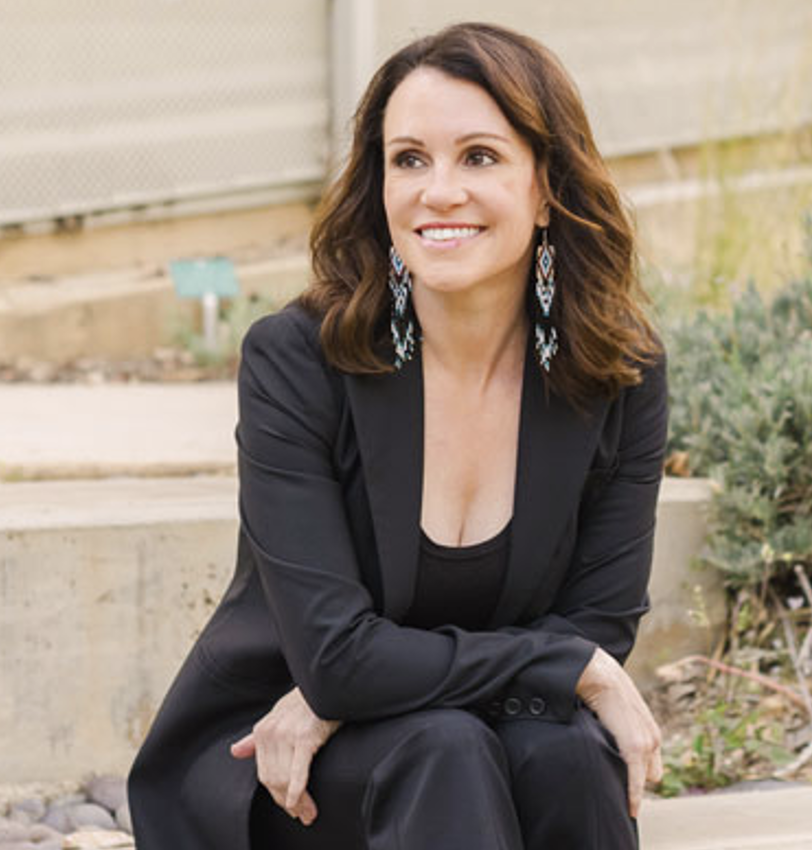
You are invited to join us for a conversation with Dr. Angela R. Riley (Citizen Potawatomi Nation) at a special event for MacArthur grantees. The conversation will be moderated by our Native Self-Determination Director Megan Hill and introduced by our President John Palfrey. Register by September 1. Space is limited.
Open Access Article: Indigenous governance and the future of conservation
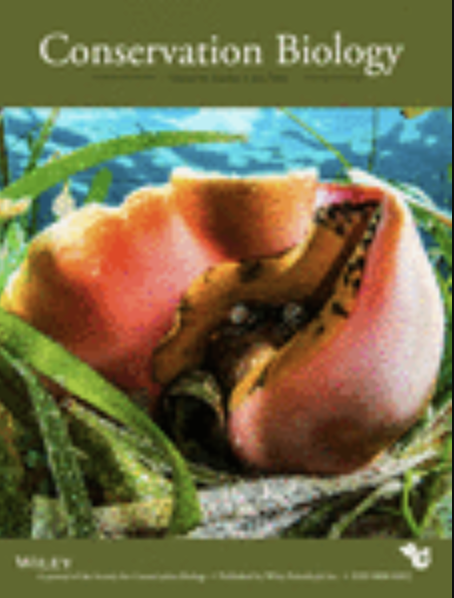
A recent open-access article in Conservation Biology with an indigenous perspective on conservation (the author is a cons. biologist who is also an Australian Aborigine). From her intro:
“In conservation research and practice, effective biodiversity governance is widely recognized as dependent on Indigenous leadership and long-term comanagement … I respond to these calls by offering an Aboriginal perspective grounded in lived experience and relational ethics that shows how Indigenous governance principles can reshape the foundations of conservation science. “
Now’s your chance!
Send us your ideas, your news items, or resource reviews by September 15th for next month’s newsletter.
Call-backs: Feel free to suggest topics for future call back sessions
Contact Brian at climateandequity@terc.edu with ideas and proposals!
The Climate and Equity project is funded by the John D. and Catherine T. MacArthur Foundation.