
Volume 3, Issue 2 | February 2026
Here in New England, people are still digging out from our recent blizzard, and hoping for the power to come back on soon. But the red-wing blackbirds are back, and the woodpeckers are drumming, so the birds think spring will be soon!
Send in news stories (big or small!), resources, or queries for your colleagues —deadline for next newsletter is March 20th. You don’t have to wait until the last minute, though!
Updates from Climate and Equity Fellows
Molly German (2024) writes:
“We have started a (hopefully ongoing) partnership with the Center for Land-Based Learning – SLEWS program (Students and Landowner Education and Watershed Stewardship). Only four students were able to join me for our first field trip on a very foggy day in December, but we had a great time using beaver mimicry strategies to build dams on a seasonal creek to help recharge the water table.
Our second field trip in early February expanded to 11 students and 2 science teachers! We spent the day spreading mulch on young oak trees, supporting an ongoing project to return native Blue Oaks to land in the Sierra Nevada foothills. The original oak trees were ripped out to use as fuel for steam-powered trains in the late 1800s and the property is currently a cattle ranch, so the little oak trees need to be protected from the cows until they’re big enough to not be eaten! We also ate lunch and learned about the carbon cycle and climate change under a 300-year-old oak tree overlooking the Sacramento Valley. Students got to imagine what their little oak trees might look like in another 50-100 years! We are planning one more trip in April, and I’m hoping for 15-20 students and maybe a third science teacher.”
Claire Monk (2024) writes:
“Apologies for my lack of engagement in TERC Zoom calls of late. I am passionately in the throes of teaching Honors Climate Change for the first time!!!! As I understand it, there are no other courses offered in the state of Ohio. I’ve attached a few images to highlight activities from our first unit, Earth as a System – which is an introduction to thermodynamics and the atmosphere.”
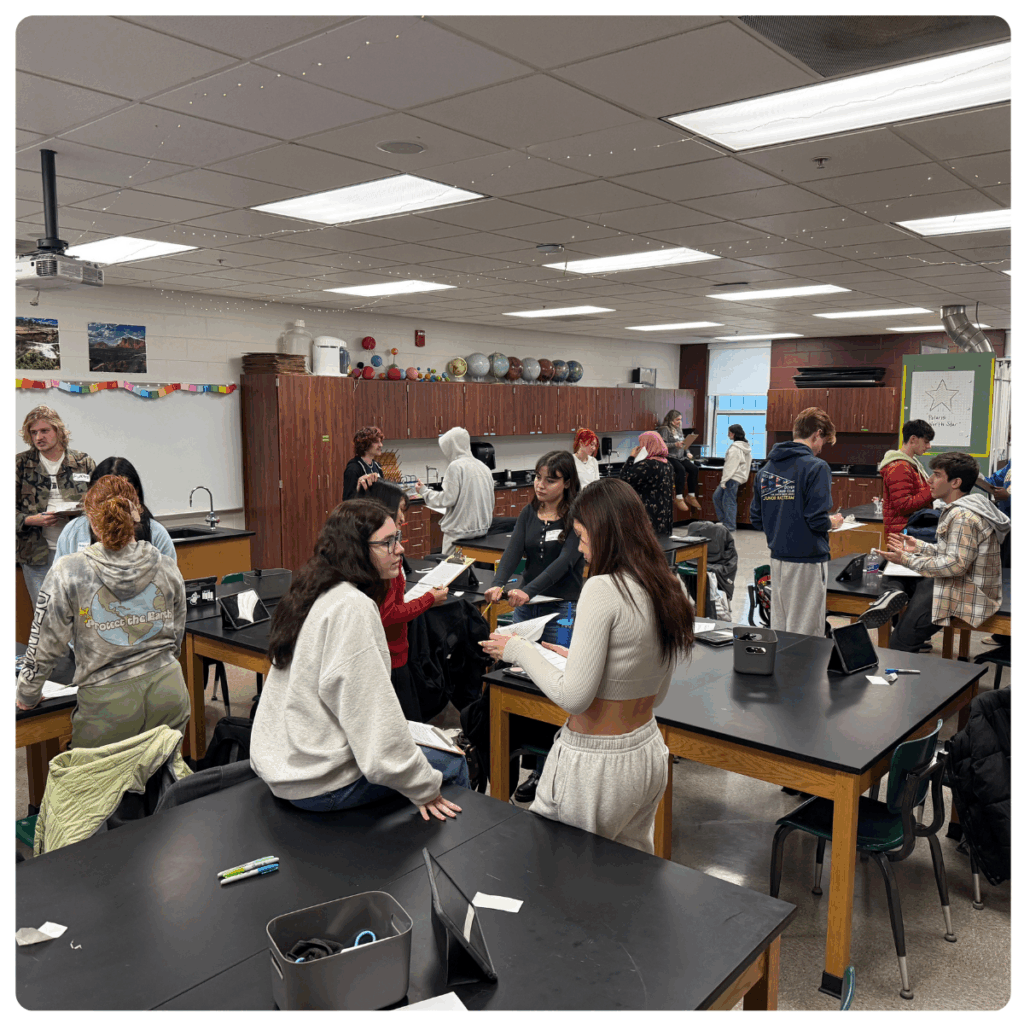
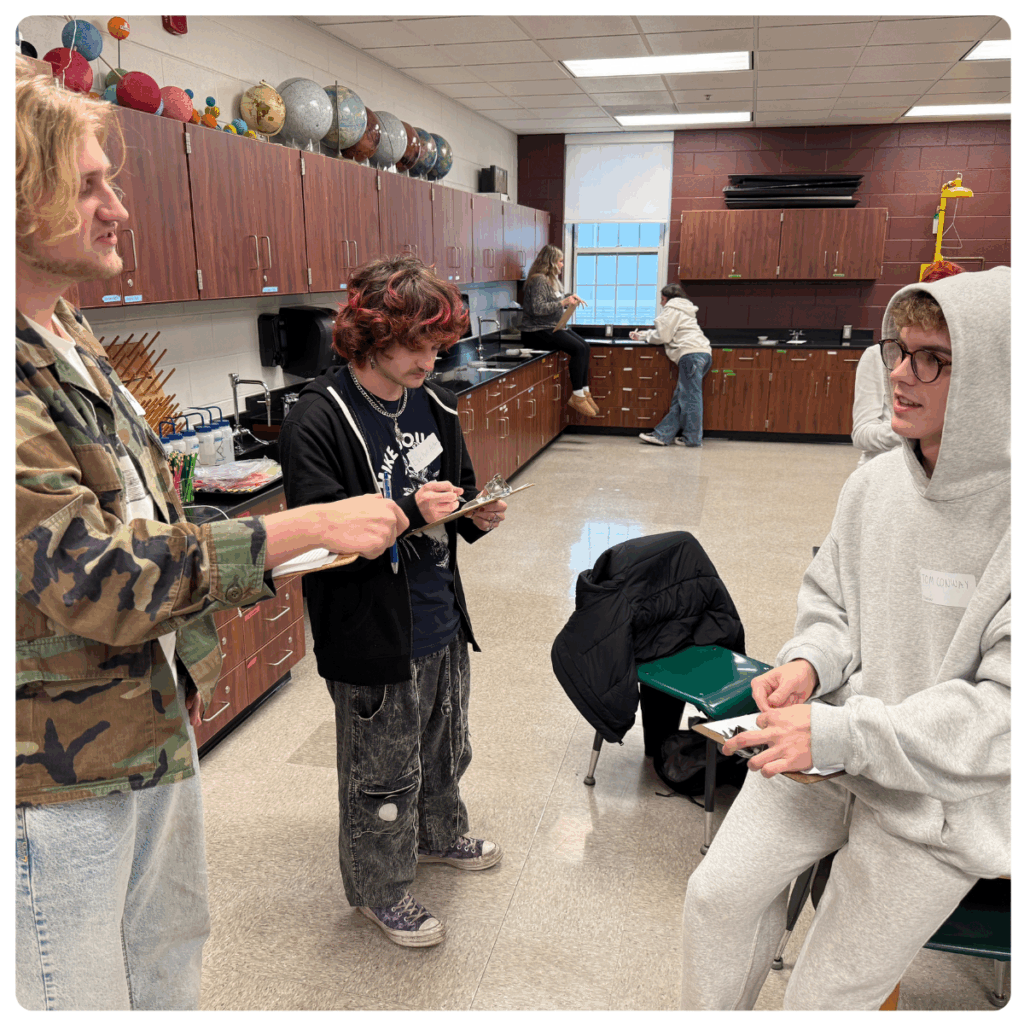
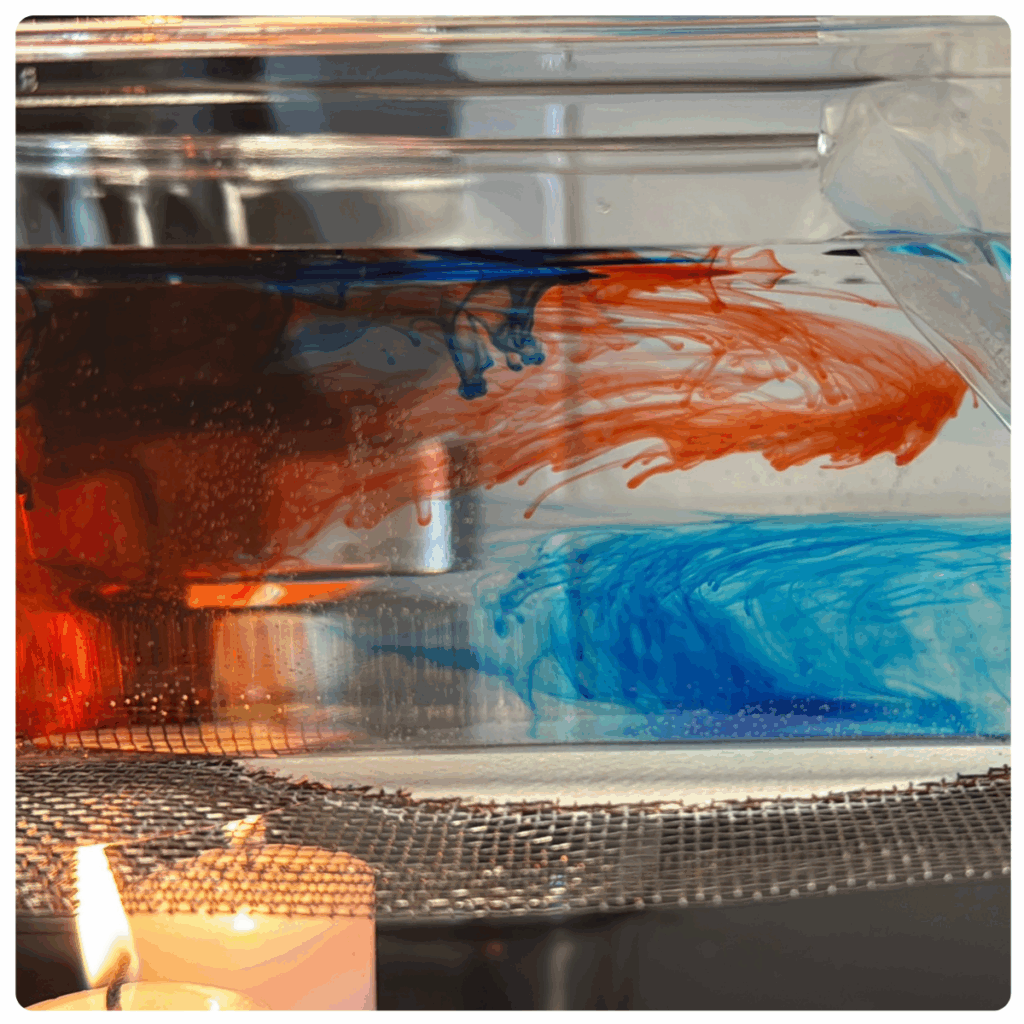
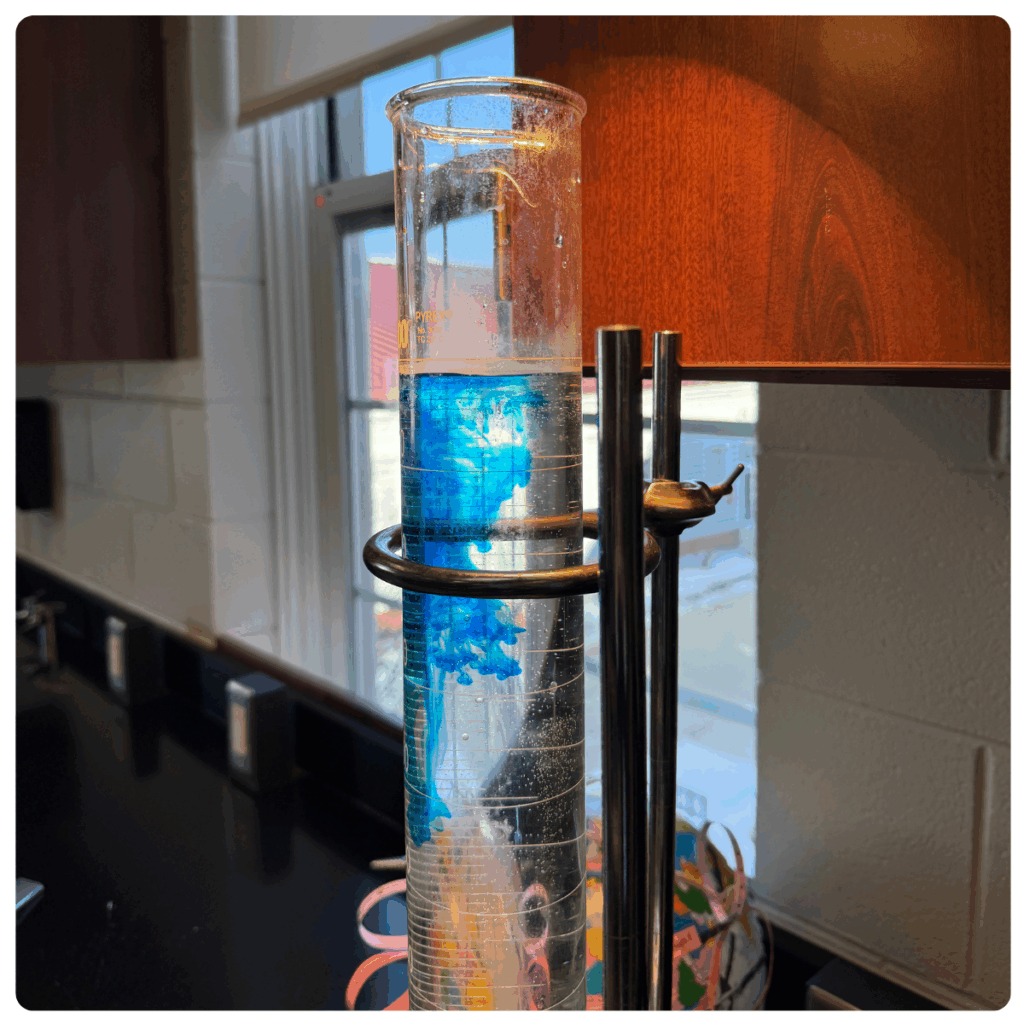
“I have a cohort of 24 students with diverse interests and life experiences. Several are college bound with the intent to study fisheries and wildlife management, water sustainability, and environmental science. Others are more interested in politics and social justice and plan to go to law school. A few have global perspectives having grown up in Ghana and Turkey. One wants to be a journalist. We started the semester with the “Your Climate Story” activity. They are inspiring and give me hope. The images of students also attached (above) include those from the stories from a climate crisis mixer from our Climate and Equity Institute Summer 2024. Apologies I cannot remember who shared this one!
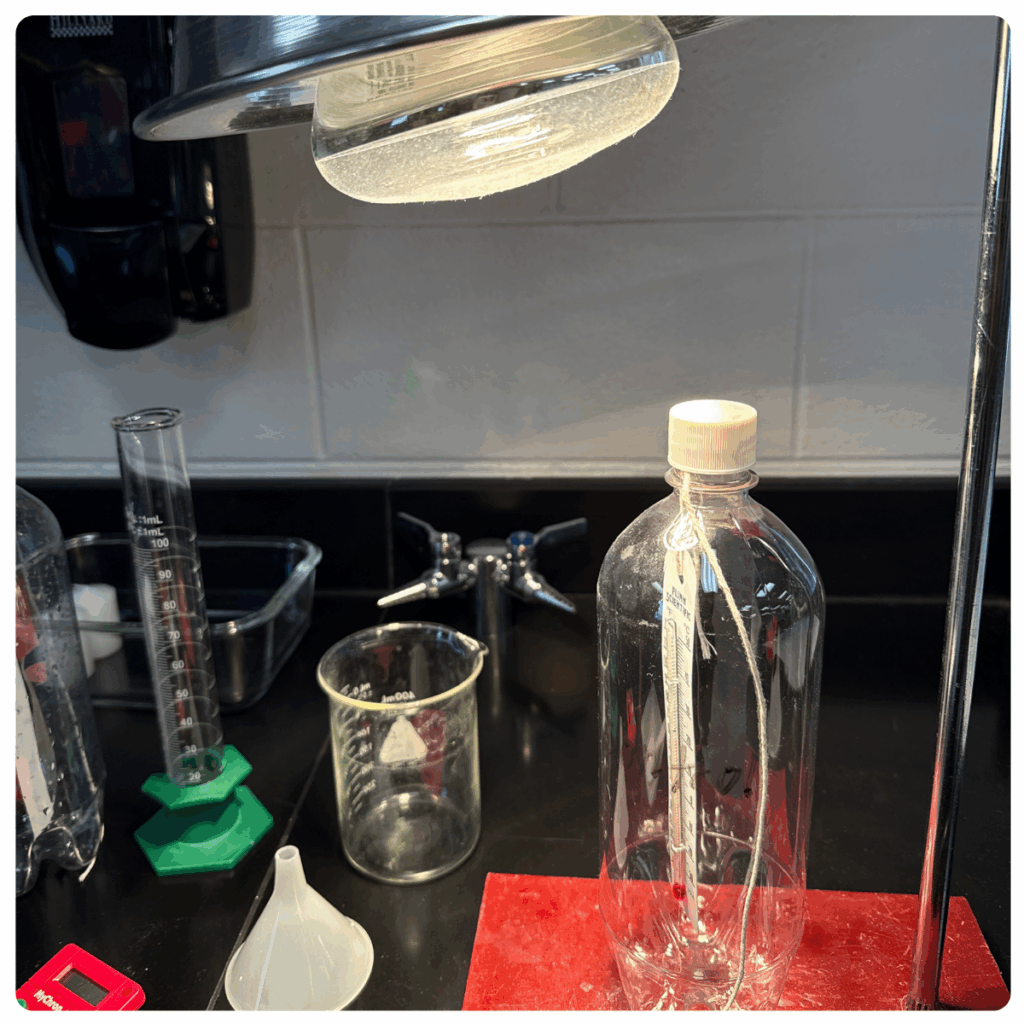
I’ve also attached pictures (above) from labs and demos in Unit 1. The pic of the graduated cylinder was meant to address misconceptions that the atmosphere is heated from “above”. We had discussed reflection and absorption of radiant energy within the atmosphere. This was designed to introduce layers of the atmosphere, heating from below, and convection within the troposphere. The picture of the glass baking dish was to introduce students to the differential heating of Earth due to curvature and direct v. indirect light. This segwayed into climate zones and circulation of wind and water on Earth. Lastly, the pictures of the 1L bottles show a setup introducing the greenhouse effect and composition of the atmosphere. Students were tasked with “pumping CO2” into one bottle while keeping the other as a control. We used a SodaStream to inject more greenhouse gases. They graphed the two trendlines, and you can predict the rest. This activity introduced the direct relationship between absorption and infrared energy and the GHE.
We are currently in Unit 2, the Climate System and Geologic Time. I’ve introduced natural and unnatural forcing agents for climate change throughout Earth’s 4.6 by history. They’ve explored hothouse and icehouse Earth and mass extinction events attributed to changes in climate (in relation to forcing agents). Next week, we discuss climate proxies, and have a field trip planned to the Byrd Polar Climate and Research Center at The Ohio State University, where we will tour the ice core facilities and view Canary - a documentary featuring my favorite Ice Core Paleoclimatologist Dr. Lonnie Thomson. Students will also investigate real-time data from an ice core extracted by OSU paleoclimatologists from a glacier in Greenland. And of course we have been actively following the Thwaites expedition via journalists at the NYT and PBS.
It is easy to integrate current events into the curriculum when the science is unrelenting (and the politics are a constant reminder of why ALL of this matters). While I focus on the science and the FACTs and try to maintain neutrality, it is honestly difficult to hide my sense of urgency. Current events from positive feedback loops at Thwaites, to the recent rescinding of the endangerment ruling, to the polar vortex and weather weirding in Ohio…make it all the more important to cover the FACTS in real time.
Capstone Project – Students will design a Climate Resilient City based on regional impacts of climate change (i.e. Columbus, Ohio – climate extremes (drought to deluge), agriculture and land use; NYC – urban heat island effect, sea level rise and extreme storms, etc…). They will research current impacts, sustainability practices and solutions. There are three phases of the project 1.) CRC Research, 2.) CRC Design – digital model or 2D map, and 3.) Interactive Presentation – website, podcast, or multimedia presentation to showcase sustainable solutions (we will have explored these through Project Drawdown).”
Claudia Bouchard (2023) writes:
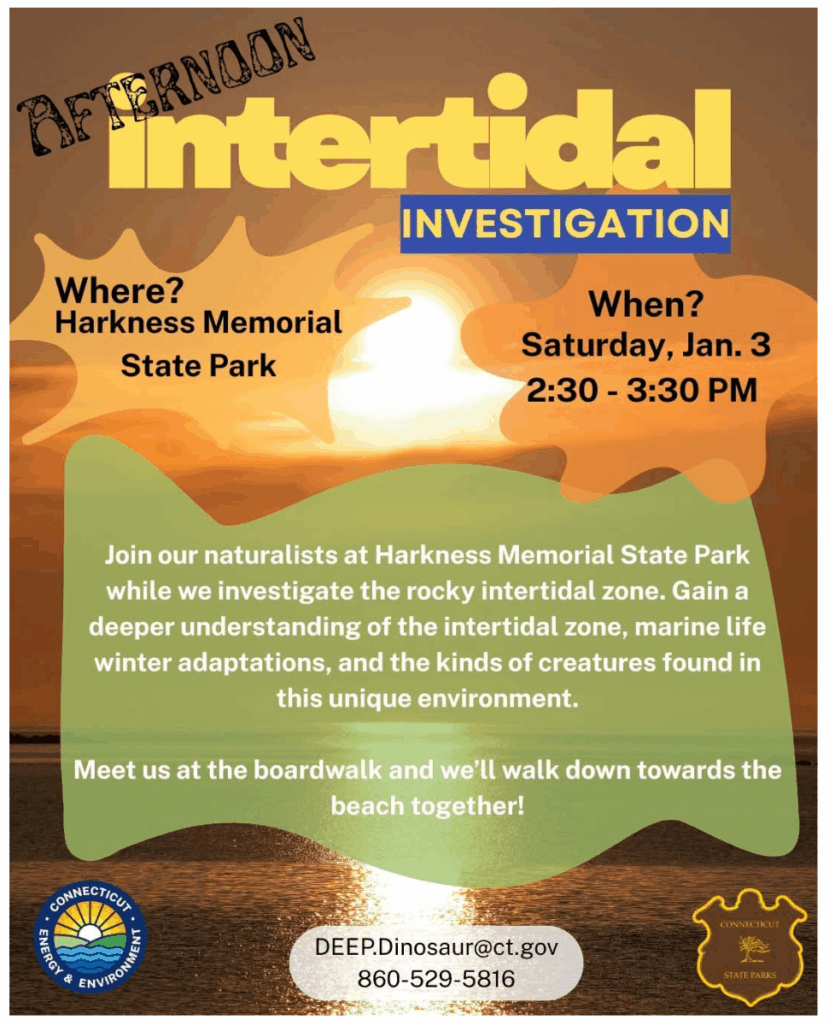
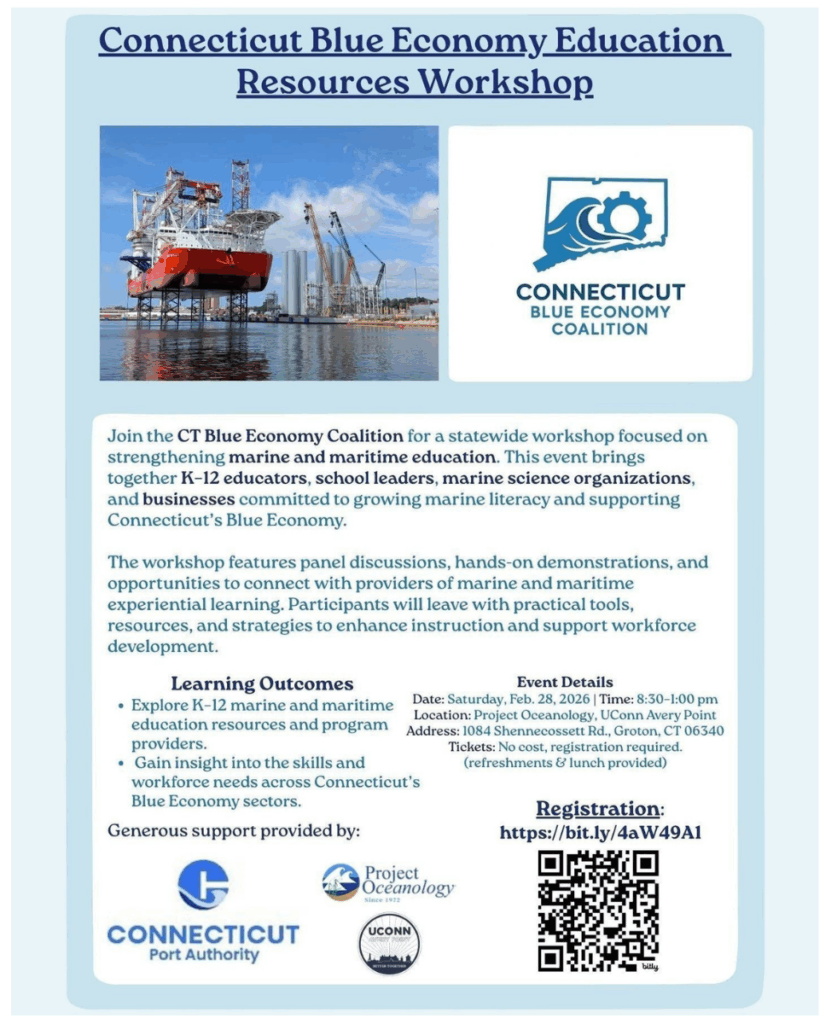
“I have been busy teaching and making content as this year is a new curriculum. I have attended a few workshops in the area and signed up for a few more in Long Island Sound. I know that it does not compare with Acadia National Park but LIS is right here.”
Resources and Opportunities

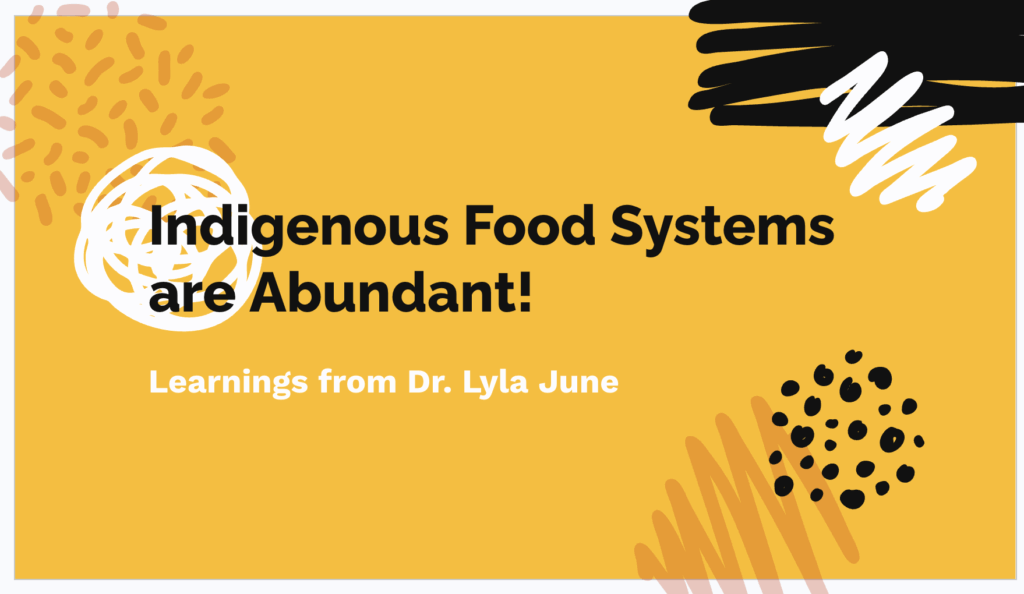
Presentation by Molly German: Indigenous Food Systems are Abundant! Learnings from Dr. Lyla June
Molly German gave a good presentation on Native approaches to land management at our February call-back. Her slides will be of interest and here’s a link to them.
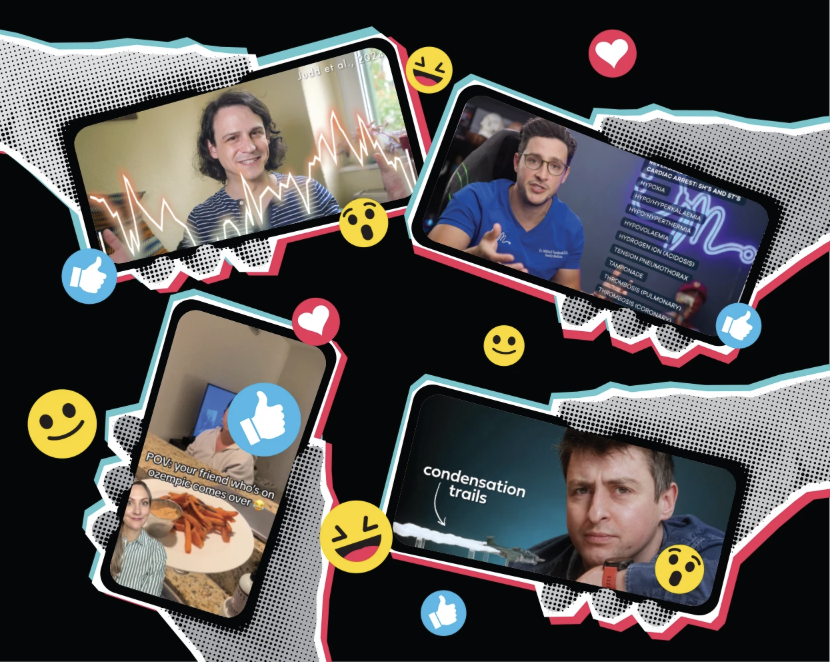
The science influencers going viral on TikTok to fight misinformation, Catriona Clarke, Nature, (Feb 2026)
“According to a 2025 report by the Reuters Institute in Oxford and the University of Oxford, 65% of people worldwide now consume video on social media1. Increasingly, many individuals, especially young people, get their news from these platforms. But a lot of that ‘news’ is created by anti-science influencers who build loyal followings, using their position as opinion leaders to promote climate denialism, conspiracy theories, vaccine scepticism, autism myths, sham treatments and other pseudoscience….To counteract this deluge of bad information, Clark and other pro-science content creators are taking strategies straight out of the influencer playbook.” (Hat tip to Skepticalscience.com)
Now’s your chance! Deadline for next newsletter
Send us your ideas, your news items, or resource reviews by March 20th for next month’s newsletter.
Call-backs: Feel free to suggest topics for future call back sessions
Contact Brian at climateandequity@terc.edu with ideas and proposals!
The Climate and Equity project is funded by the John D. and Catherine T. MacArthur Foundation.