
Our projects and research shape the STEM education field by introducing innovative curricula and improving student access to STEM.
We support more than 60 active projects every year, and our high-quality, innovative research is based on the understanding that for STEM, real-world application matters. We inspire, motivate, and create life-long learners by helping students connect what they are taught in the classroom to the world around them.
These projects and our research are designed to encompass a wide range of subjects and disciplines within STEM education and teaching methods to expand accessibility for all eager minds.
Can’t find what you need? Explore our archive of past projects.
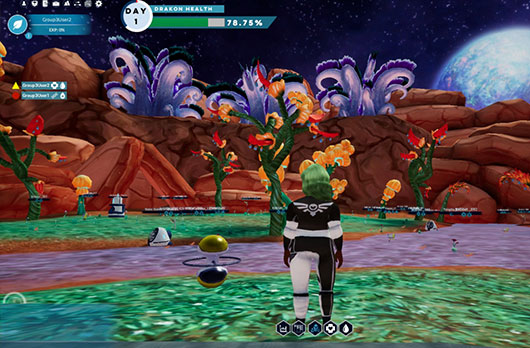
Developing and evaluating a video game that empowers student learning through collaboration and exploration to solve problems.
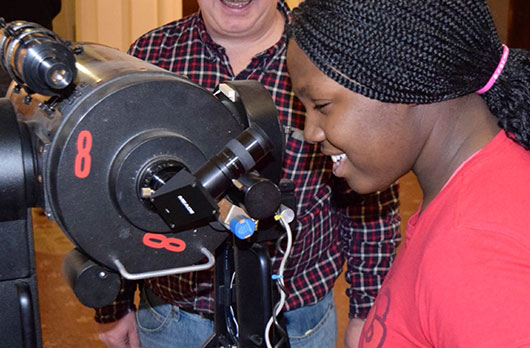
IDATA engages middle and high school students in designing software to make astronomy accessible to people with blindness or visual impairments.
IMS-SEIL is an institute on qualitative meta-synthesis methods for STEM education graduate students, postdocs, early career researchers, and faculty.

“iSWOOP is a way to bring scientists, educators, and interpreters together to foster a better understanding of science that’s going on in national parks.” — iSWOOP Scientist

The LEAP into Science program combines children’s science-themed books with hands-on science activities to promote life-long interest and knowledge of science and does so through partnerships with informal educators at libraries, museums, and other out-of-school time providers.

The TERC Life Sciences Group, a research and development program, is founded on the conviction that students can and should experience the life sciences as dynamic fields of inquiry whose diversity reflects the immense diversity of living systems.
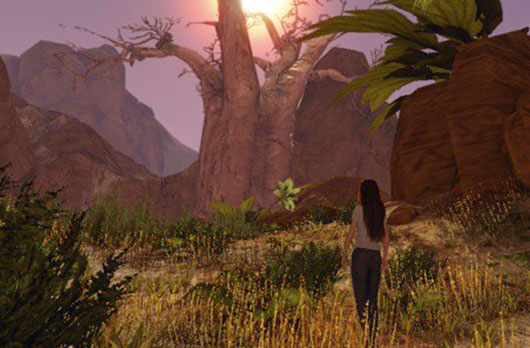
EdGE and Virtual Space Entertainment (VSE) developed Martian Boneyards—a game of scientific collaboration in the HD, MMO environment Blue Mars—and researched how adult players developed science inquiry skills through solving the science-based mystery.
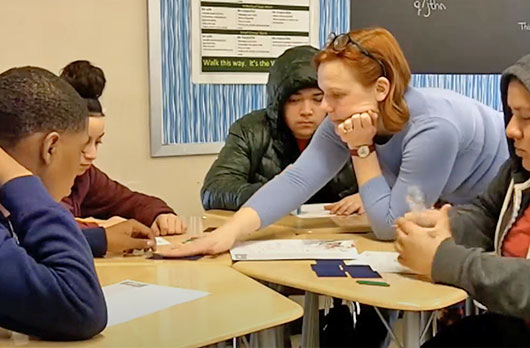
MMTP supports the improvement of STEM teaching and learning in a large, urban district, by providing experienced teachers with opportunities to earn micro-credentials as they acquire additional content knowledge for teaching, engage in classroom-based action research, and assume instructional leadership roles.

MIaFS addresses a largely under-studied population, in this case Faculty of Color in STEM (FCS) who are also Gender and Sexual Minorities (GSM), through the use of methods rarely used in STEM education research, namely participant-generated Arts-Informed Research (AIR).
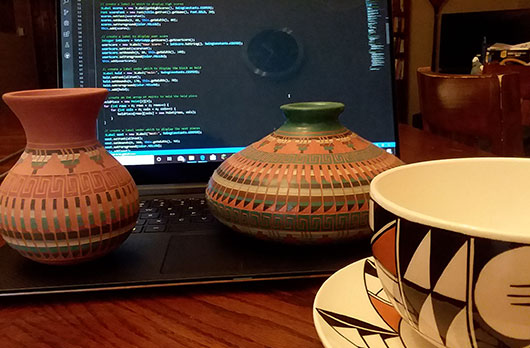
NSP is a longitudinal study on the experiences of Native STEM students, faculty, and professionals and the barriers and supports they encounter in STEM.